
Green remediation involves using environmentally friendly practices to reduce the impact of remediation projects. It focuses on minimizing energy use, reducing waste, recovering resources, and enhancing ecological health, aiming for a more sustainable and less harmful approach to cleaning up contaminated sites.
Man-made pollution is an ever growing problem. As the world population increases and industries continue to develop, the issue of waste and cleaning waste becomes even more pressing. Some modern issues include PCB’s, PFAS, 6PPD-quinone, storm water, and more. The goal of cleaning up or treating wastewater in the past has been simple and effective but may not have been necessarily environmentally friendly. Industries today are starting to develop solutions that align more with environmental positive outcomes with more usable products rather than waste. Aligning wastewater management with more green remedies involves integrating eco-friendly practices and technologies to minimize the ecological impact of wastewater treatment.
One promising innovation in this field is patented biomimicry wastewater technology. This approach draws inspiration from natural systems and processes to create highly effective and environmentally sustainable treatment solutions. For example, some patented systems mimic natural filtration mechanisms found in wetlands or aquatic plants, enhancing the removal of contaminants in a manner that aligns with ecological processes. These technologies often integrate advanced materials or processes that replicate nature’s way of handling pollutants, achieving high efficiency in breaking down complex contaminants while minimizing energy use and chemical inputs.
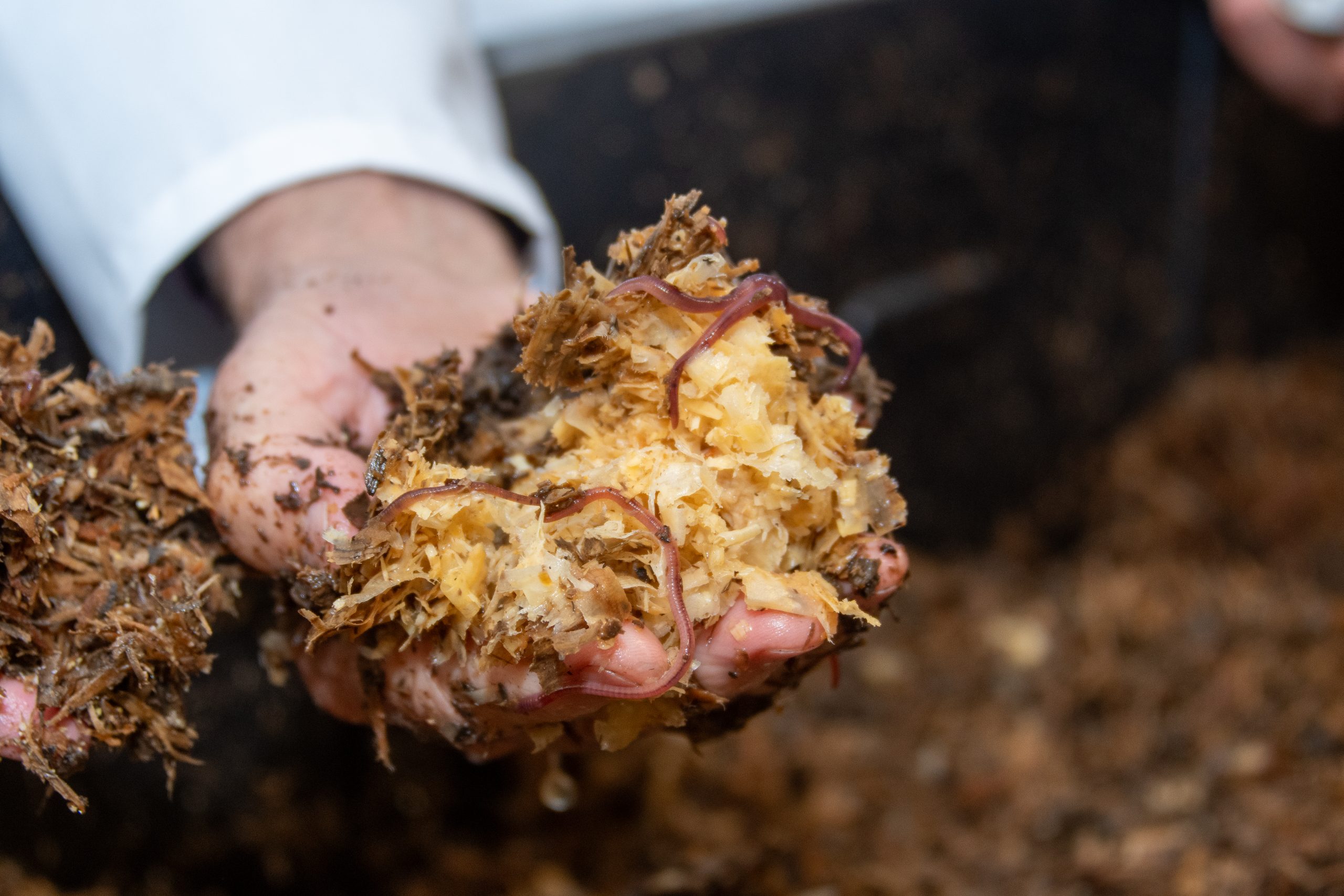
Vermifiltration is a natural wastewater treatment method that combines the native processes of earthworms and microorganisms to purify wastewater. In this approach, wastewater flows through a filter bed made of organic materials, such as compost or a mixture of soil and compost. Earthworms in the bed consume the organic matter in the wastewater, creating nutrient-rich castings. These castings, along with the microbial communities present, further break down remaining pollutants and suspended solids through biochemical and microbial processes. This dual action effectively reduces biochemical oxygen demand (BOD), total suspended solids (TSS), and some pathogens, resulting in cleaner treated water. The process also produces valuable vermicompost, which enhances soil fertility. Vermifiltration is praised for its sustainability, requiring less energy and fewer chemicals compared to traditional methods, making it an environmentally friendly alternative to conventional wastewater treatment systems.
Here are a few reasons vermifiltration of wastewater aligns with the EPA’s green remediation priorities.
Vermifiltration is an aerobic treatment, which fundamentally relies on the presence of oxygen to facilitate the biological breakdown of organic matter. This contrasts with anaerobic treatment methods, which function in the absence of oxygen and can produce greenhouse gasses such as methane and carbon dioxide. Aerobic processes, including vermifiltration, do not emit these potent greenhouse gasses, making them more environmentally friendly in terms of atmospheric impact. Perca and its aerobic treatment of water also removes odors through its sequestration in the wood chips, the system effectively mitigates unpleasant smells, which are often a byproduct of anaerobic treatment methods.
Contamination sites or industrial water discharge are large pollution sources. Perca’s cleaning of wastewater removes pollutants from water through natural wastewater treatment, therefore improving water ecosystems. In addition, Percas by-product is compost that can be used for regenerative agriculture practices including soil remediation and the rebuilding of organic matter in soils. This compost can be utilized in regenerative agriculture practices, which are essential for sustainable land management. Regenerative agriculture includes techniques such as soil remediation, which helps to restore contaminated or degraded soils, and the rebuilding of organic matter in soil, which enhances soil fertility and structure. By integrating this compost into agricultural practices, Perca’s system supports the health of both terrestrial and aquatic ecosystems, creating a positive cycle of environmental stewardship and resource recovery.
Earthworms significantly enhance the quality of treated wastewater through their natural biological processes by breaking down excess organic matter and potentially removing some pollutants. This reduction in organic load and pollutants helps to mitigate the negative impacts on receiving water bodies, such as rivers and lakes, by improving the overall quality of the effluent. Following treatment, the clarified water can be repurposed for various applications, including irrigation. This reuse of treated wastewater supports sustainable water management practices by conserving freshwater resources and reducing the environmental footprint associated with wastewater discharge, thereby promoting both ecological health and efficient resource utilization.
This approach aligns with green remediation by using living organisms, such as earthworms, to naturally treat wastewater, making it more sustainable and less invasive compared to conventional mechanical methods. Vermifiltration relies on natural processes, significantly reducing the need for chemicals and avoiding the production of harmful byproducts like ash, brine, or chemical-laden liquor. Instead, Perca’s system produces nutrient-rich compost, which is highly beneficial as a soil amendment. This compost enhances soil health, supports robust plant growth, and contributes to ecosystem stability, demonstrating a holistic and environmentally friendly solution to wastewater management.
Vermifiltration systems are notably more energy-efficient than many traditional wastewater management technologies. In contrast to conventional methods, such as activated sludge systems, which require substantial energy to operate aerators that continuously add oxygen to the wastewater to support microbial activity, vermifiltration relies on significantly less energy. In comparison, vermifiltration utilizes a comparatively modest amount of energy, primarily for running a water pump that circulates the wastewater through the system. This reduced energy demand not only lowers operational costs but also contributes to a smaller environmental impact, making vermifiltration a more sustainable and economically viable option for wastewater treatment.
By using vermifiltration, and Perca, for a natural wastewater treatment process, you align with the EPA’s green remediation principles by promoting biological, resource-efficient, and environmentally friendly practices. This approach helps to reduce the ecological footprint of water treatment while producing valuable treated water and useful byproducts such as compost all while supporting overall environmental health. This compost not only enhances soil health and plant growth but also supports overall environmental sustainability, demonstrating a commitment to innovative and natural wastewater management.