
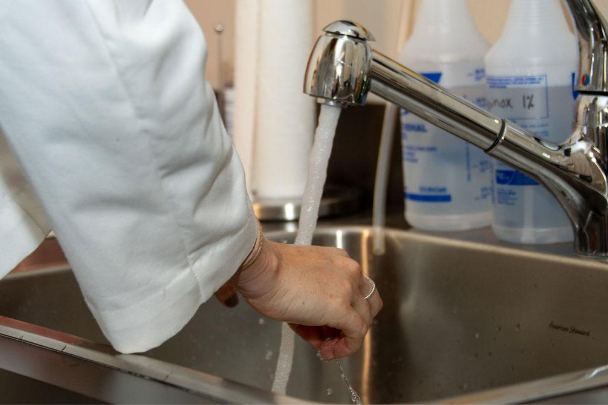
In recent years, public awareness of toxic chemical contamination in drinking water has grown significantly. High-profile incidents of water contamination, such as the crisis in Flint, Michigan, have shed light on the potential hazards that lurk in our water supply. Among the most dangerous and persistent contaminants are Polychlorinated Biphenyls (PCBs) and Per- and Polyfluoroalkyl Substances (PFAS), two classes of chemicals that have garnered widespread concern due to their harmful health effects and their stubborn persistence in the environment.
The presence of these toxic chemicals in groundwater and drinking water has triggered alarm among scientists, regulators, and the public because of the health risks they pose, including cancer, liver damage, and developmental issues in children. While the origins of PCBs and PFAS contamination are numerous, many of the challenges we face in mitigating this pollution stem from the fact that these chemicals have seeped into water systems from industrial processes and waste streams. However, solutions do exist to help mitigate this crisis. Perca’s innovative Drilo2 treatment system, for example, offers a promising approach to cleaning contaminated wastewater at the source, preventing these harmful chemicals from entering
groundwater in the first place.
Polychlorinated Biphenyls (PCBs) are synthetic chemicals that were once widely used in industrial applications, such as electrical transformers, capacitors, and heat exchange fluids. Between the 1930s and the 1970s, PCBs were considered indispensable due to their chemical stability, non-flammability, and insulating properties.
However, after decades of use, scientists began to realize that PCBs were extremely toxic and had the potential to persist in the environment for long periods of time. In 1979, the United States banned the production of PCBs, but the damage had already been done. PCBs are still present in many older industrial sites and continue to contaminate soil, sediment, and water sources due to improper disposal practices, equipment leaks, and runoff from contaminated areas. Once they enter the environment, PCBs can travel through soil and water, ultimately finding their way into groundwater systems and, consequently, drinking water supplies. The health effects of PCB exposure are well documented and include an increased risk of cancer, damage to the immune and reproductive systems, and developmental problems
in children.
Per- and Polyfluoroalkyl Substances (PFAS) are another class of toxic chemicals that have become a major environmental concern. PFAS chemicals have been used since the 1950s in a wide variety of consumer and industrial products, including non-stick cookware (Teflon), water- repellent fabrics, firefighting foam, and food packaging. Their chemical structure makes them resistant to heat, water, and oil, which is why they have been used in so many applications. However, this same chemical structure also makes PFAS extremely difficult to break down in the environment, earning them the nickname “forever chemicals”. Because of their persistence, PFAS can accumulate in the environment, including in groundwater and drinking water supplies. Once ingested, they can build up in the human body over time, leading to potential health risks such as cancer, liver damage, hormone disruption, and negative effects on the immune system. Many regions across the United States and other countries have detected PFAS contamination in their water supplies, prompting lawsuits, regulatory action, and widespread concern about the long-term health implications of exposure.
Both PCBs and PFAS enter drinking water through several pathways, many of which are connected to industrial activities.
Industrial Wastewater Discharge:: Many factories and industrial plants produce wastewater that contains PCBs and PFAS. When PCB and PFA wastewater is not properly treated, it can be discharged into rivers, lakes, and oceans, where it infiltrates groundwater supplies over time. Without proper containment and treatment, these toxic chemicals spread far beyond the original site of contamination, affecting water sources miles away.
Runoff from Contaminated Sites: Old landfills, industrial sites, and military bases are often contaminated with PCBs and PFAS due to past disposal practices. When rainwater flows over these contaminated sites, it picks up the toxic chemicals and carries them into nearby rivers and streams. Over time, these pollutants can percolate into the ground and contaminate the underlying aquifers, which serve as a source of drinking water for nearby communities.
Leaching from Firefighting Foam: PFAS are a key ingredient in many types of firefighting foam used at airports, military installations, and firefighting training facilities. When these foams are used, they seep into the ground and eventually reach groundwater supplies. This has led to widespread PFAS wastewater contamination near military bases and airports across the country.
Improper Disposal of Consumer Goods: PFAS and PCBs are present in numerous consumer products, and improper disposal of these goods—such as electronics containing PCB-based components or non-stick cookware containing PFAS—can contribute to environmental contamination. As these products degrade in landfills, the chemicals can leach into the soil and groundwater.
To address the growing threat of PCB and PFAS contamination in groundwater, one of the most effective strategies is to treat contaminated wastewater at the source before it enters the environment. Perca’s Drilo2 treatment system offers a novel approach to doing just that. Based on Perca’s extensive expertise in wastewater treatment process, the Drilo2 system is designed to target and sequester toxic chemicals like PCBs and PFAS before they can infiltrate groundwater supplies.
The Drilo2 system combines advanced filtration and biological processes to treat wastewater contaminated with harmful chemicals. Key features of the system include:
Targeted Chemical Filtration: The Drilo2 system incorporates specialized biomimicry filtration designed to capture and remove PCBs and PFAS from wastewater streams. The system is engineered to bind with the toxic chemicals, preventing them from passing through the system and entering local water sources.
Biological Degradation: In addition to filtration, the Drilo2 system uses biologically active processes to break down contaminants. Microorganisms within the system are specifically selected for their ability to degrade toxic chemicals, converting them into less harmful substances over time. This biological approach is particularly effective in dealing with persistent pollutants like PCBs, which are resistant to standard chemical treatments.
Wastewater Treatment at the Source: One of the key benefits of the Drilo2 system is its ability to treat wastewater at the point of discharge. By capturing and treating wastewater directly from industrial facilities, landfills, and other sites of contamination, the system prevents toxic chemicals from entering rivers, lakes, and aquifers. This proactive approach significantly reduces the risk of groundwater contamination and ensures that drinking water supplies remain clean and safe.
Perca has already demonstrated success at industrial sites known for toxic chemical contamination, where levels of toxic chemicals in wastewater have been reduced to meet stringent regulatory standards. In these cases, the Drilo2 system has not only helped prevent further groundwater contamination but has also contributed to the cleanup of existing polluted sites.
The success of these projects highlights the potential for the Drilo2 system to play a critical role in mitigating the widespread problem of chemical contamination in drinking water. By preventing toxic chemicals from entering water supplies in the first place, Perca is helping to safeguard public health and protect the environment for future generations.
The presence of toxic chemicals like PCBs and PFAS in drinking water is a serious and growing concern. These chemicals have been linked to a wide range of health problems and are difficult to remove once they enter groundwater supplies. However, solutions like Perca’s Drilo2 wastewater treatment system offer hope for addressing this contamination at its source. By targeting and removing toxic chemicals from wastewater before they can infiltrate groundwater, the Drilo2 system can help prevent further contamination and ensure that communities have access to safe, clean drinking water.
Categories
Tag